
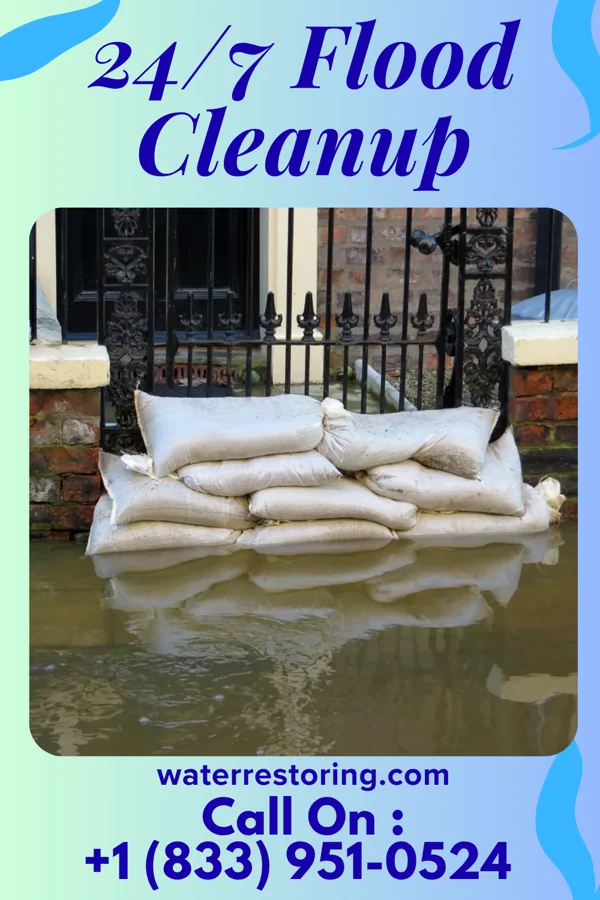
Why 24/7 Flood Cleanup Matters in New York
The pattern in New York is consistent. heavy rainfall and coastal storm systems overwhelming storm drains drives most of the emergency restoration calls we get. A close second is aging stormwater infrastructure overwhelmed during prolonged rain events.
New York's humid subtropical climate leads to frequent heavy downpours, while its coastal location makes it vulnerable to storm surges. The city's geography, with low-lying areas and extensive waterways, exacerbates flood risks during extreme weather events.
New York's humid subtropical climate leads to frequent heavy downpours, while its coastal location makes it vulnerable to storm surges. The city's geography, with low-lying areas and extensive waterways, exacerbates flood risks during extreme weather events. The dominant local driver is heavy rainfall and coastal storm systems overwhelming storm drains, with aging stormwater infrastructure overwhelmed during prolonged rain events showing up as the next most common cause. Damage builds in stages. Spread. Absorption. Microbial growth. Structural compromise. Every stage you pass through adds to the final bill.
For public guidance on the health effects of mold after prolonged water exposure, see the EPA mold and health page.